
"chemical changes"
2000 article(s) found

Coffee bean roasting is a chemical reaction that takes place. Coffee flavor is reflected.
The structure of coffee is a well-developed matrix, which improves the consistency of quality and contributes to the uniform spread of heat during baking. Cellulose exists in coffee in the form of embedded in lignocellulose (an amorphous matrix containing hemicellulose and cellulose-containing lignin), which form matrix unit walls (cell walls). Hemicellulase (hemicel)

The chemical composition of coffee
Caffeine is the most eye-catching of all the ingredients of coffee. It belongs to plant xanthamins (animal muscle components) and has the same properties as theobromine in cocoa and theophylline in green tea.

How does treatment affect the Chemical composition of Coffee the effect of treatment on roasting techniques
Why do sun beans taste different from water-washed beans? What makes the sweetness of honey treated coffee more obvious? The method of raw bean treatment has a great influence on the flavor, aroma and alcohol thickness of coffee, and it is also an important difference for many people to choose coffee beans. The flavor and aroma of coffee brought by the place of origin will develop the flavor and aroma of coffee when roasted, and the aroma compounds will be reversed by many chemicals.

Basic knowledge of boutique coffee the bitter acid and alcohol of coffee
The bitterness of coffee: the color, aroma, and taste of coffee are caused by complex chemical changes that take place during roasting. Therefore, raw beans must go through appropriate chemical procedures to achieve the most balanced state of its essential ingredients in order to be regarded as the best baked beans. The aroma of coffee will change with the heat, so the baking time should be shortened as much as possible, and the coffee is hot.

The taste of a single cup of coffee the bitterness of coffee
The bitterness of coffee: the color, aroma, and taste of coffee are caused by complex chemical changes that take place during roasting. Therefore, raw beans must go through appropriate chemical procedures to achieve the most balanced state of its essential ingredients in order to be regarded as the best baked beans. The aroma of coffee will change with the heat, so the baking time should be shortened as much as possible, and the coffee is hot.

Basic knowledge of boutique coffee the bitter acid and alcohol of coffee
The bitterness of coffee: the color, aroma, and taste of coffee are caused by complex chemical changes that take place during roasting. Therefore, raw beans must go through appropriate chemical procedures to achieve the most balanced state of its essential ingredients in order to be regarded as the best baked beans. The aroma of coffee will change with the heat, so the baking time should be shortened as much as possible, and the coffee is hot.
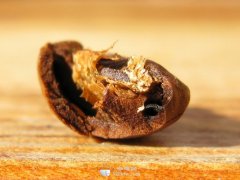
Analysis of Coffee roasting steps
Once the coffee seed is planted, no one can change its final quality. However, the color, aroma, bioactive components and health characteristics of coffee are related to the roasting process. During baking, coffee is heated at 190-220 °for 7-20 minutes, which helps to produce its aroma and good taste, and helps to form lactone, nicotinic acid, and

Main chemical constituents of raw coffee beans
Tannin: after extraction, tannin will turn into a yellowish powder, which is easy to blend into water. After boiling, it will decompose and produce pyrosylic acid, which will make the coffee taste worse. If the coffee is soaked and left for several hours, the color of the coffee will become stronger than when it was just soaked, and it is not tasty enough, so it is said that it is best to finish it as soon as possible. Fat: the fat contained in coffee, in flavor.

Why do sun beans taste different from water-washed beans? Why is honey-treated coffee so sweet?
It has a great influence on the flavor, aroma and mellow thickness of coffee, and it is also an important difference for many people to choose coffee beans. In this paper, let's explore the chemical changes that occur during the treatment process and how these changes affect the flavor in the cup. The flavor and aroma of coffee brought by the origin will develop the flavor and aroma of coffee when roasted, and the aroma compounds will be caused by many chemical reactions.

The basic chemical reaction that takes place during coffee roasting the degree of coffee bean roaster
I, when heated, is converted into isomers cellulose III and cellulose IV. The structure of coffee is a well-developed matrix, which improves the consistency of quality and contributes to the uniform spread of heat during baking. Cellulose in coffee is embedded in lignocellulose (an amorphous matrix containing hemicellulose and cellulose-containing lignin).
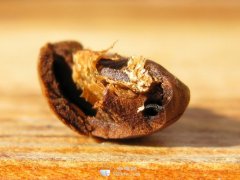
Analysis on the steps of Coffee Baking
Once the coffee seed is planted, no one can change its final quality. However, the color, aroma, bioactive components and health characteristics of coffee are related to the roasting process. During the roasting process, coffee is heated at 190-220 degrees for 7-20 minutes, which helps to bake out its aroma and good taste, and helps to form lactone, nicotinic acid and resistance.
Coffee technology common sense coffee roasting process
Once the coffee seed is planted, no one can change its final quality. But coffee's color, aroma, bioactive components, and health properties are related to the roasting process. In the roasting process, coffee is heated at a high temperature of 190-220 degrees for 7-20 minutes. This process helps to roast its aroma and good taste, and helps to form lactones, niacin, and anti-aging.

What chemical reaction does the aroma of coffee beans come from during roasting? Coffee beans at different roasting stages
Professional coffee knowledge exchange more coffee bean information Please follow the coffee workshop (Wechat official account cafe_style) what chemical reaction does the aroma of coffee beans come from during roasting? What is the taste of coffee beans at different roasting stages? The charming aroma of coffee is also the main reason why Napoleon, me and many coffee fans miss coffee all the time. But why on earth is coffee so bad?
Step Analysis of roasting skills in Coffee roasting
Once the coffee seed is planted, no one can change its final quality. However, the color, aroma, bioactive components and health characteristics of coffee are related to the roasting process. During the roasting process, coffee is heated at 190-220 degrees for 7-20 minutes, which helps to bake out its aroma and good taste, and helps to form lactone, nicotinic acid and resistance.
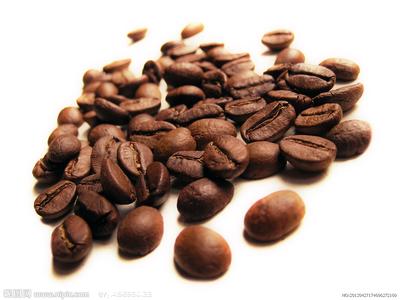
Coffee powder medium baking deep baking hand-punching steps
Coffee powder moderate baking depth hand-baking step next, the temperature rises from 205 degrees to about 220 degrees, the color of coffee changes from light brown to medium brown, and there is about 15% weightlessness. This chemical process is called high-temperature decomposition, in which the chemical composition of coffee beans changes and releases carbon dioxide. After the first burst, there was a pause.
Why is boutique coffee so sour? Talk about the baking chemical changes and flavor levels of coffee beans
Professional coffee knowledge exchange more coffee bean information Please follow the coffee workshop (Wechat official account cafe_style) after drinking boutique coffee, what do you think is the biggest difference between boutique coffee and ordinary coffee? The editor thinks it's sour. It's not that fine coffee has to be sour, nor does it mean other coffee.
[advanced knowledge of coffee roasting] basic theory and training contents of professional coffee roasters
Professional coffee knowledge exchange more coffee bean information please follow the coffee workshop (Wechat official account cafe_style) [basic knowledge and training of coffee roasters] 1. Law of moisture content and flavor of coffee II. Coffee bean defect category selection 3. Analysis of characteristics of Bean baking Appliances Application of 4.ROR 5. Baked bean curve identification 6. Physical changes and chemical reactions caused by temperature layer and time 7. Caramelization and
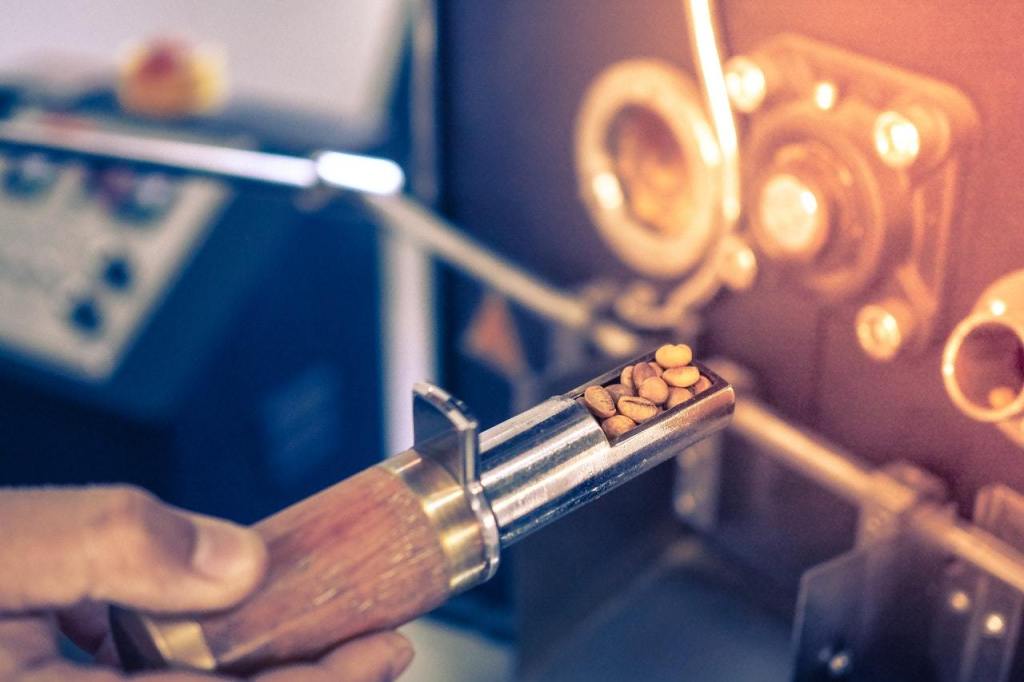
Roasting technology of boutique coffee beans benefits of wood roasting coffee
All coffee roasting machines work on the same principle: heat raw coffee beans, produce physical and chemical changes and turn them into roasted beans. Physical change means that the color of raw coffee beans changes from green to brown, and the shape changes accordingly. Chemical changes are much more complex, which is the process of production, balance and transformation of substances with fragrance, acidity and other odor components.
Coffee roasting skills basic knowledge, curve adjustment, flavor mastery
The flavor of coffee is largely determined by the qualification of raw beans, and roasting is only a way to show the characteristics of coffee beans. After roasting, various ingredients of raw coffee beans have undergone chemical changes, thus forming the flavor of coffee. In other words, what kind of chemical change occurs, to what extent, and to what extent to stop the reaction from continuing these are the main points of baking.

Coffee Common sense Coffee Bean Coffee Baking steps Analysis
Once the coffee seed is planted, no one can change its final quality. However, the color, aroma, bioactive components and health characteristics of coffee are related to the roasting process. During the roasting process, coffee is heated at 190-220 degrees for 7-20 minutes, which helps to bake out its aroma and good taste, and helps to form lactone, nicotinic acid and resistance.